
Winds of Change in Kanyakumari
A fishing village at the tip of India embraces sustainable menstrual practices — one pad at a time.
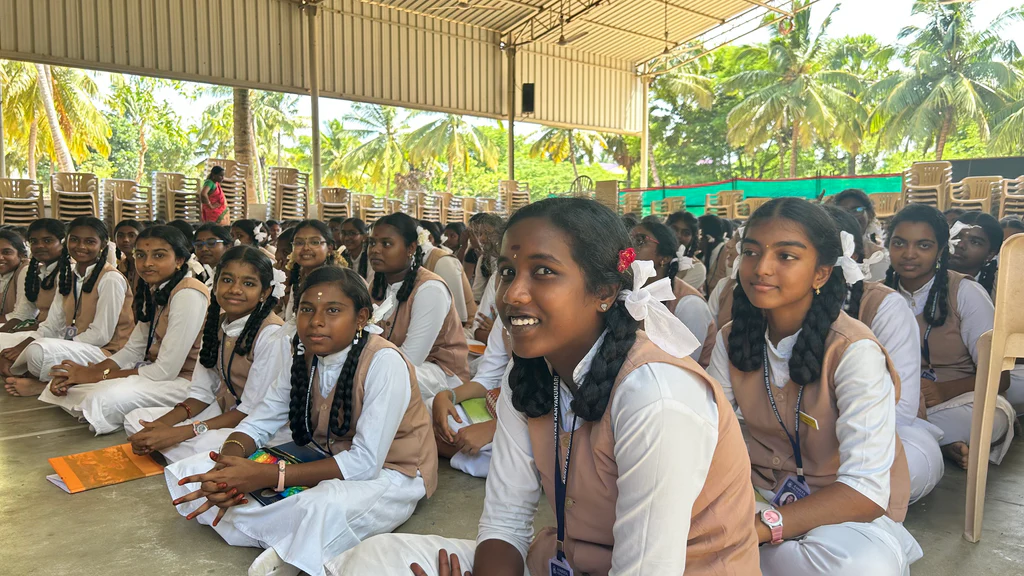
In the fishing hamlet of Kovalam, just an hour north of Kanyakumari, the tide schedules everything — when men return from sea, when women sell the catch, and, until recently, when menstrual waste washed back onto the shore.
For decades, the only waste-disposal system in these coastal villages was the sea itself. Disposable pads, with their plastic layers and synthetic polymers, were ending up on the very beaches where children played and boats were launched.
A Community That Noticed
The change here did not begin with us. It began with Jessica, a seventeen-year-old whose father is a boat-owner. After seeing plastic fragments wash ashore after each high tide, she asked her school science teacher a simple question: where do all the pads go? The answer led her to Saukhyam.
“The sea feeds us. I did not want us to be feeding it plastic.”
— Jessica Xavier, student & local Saukhyam ambassador
From One School to Twelve Villages
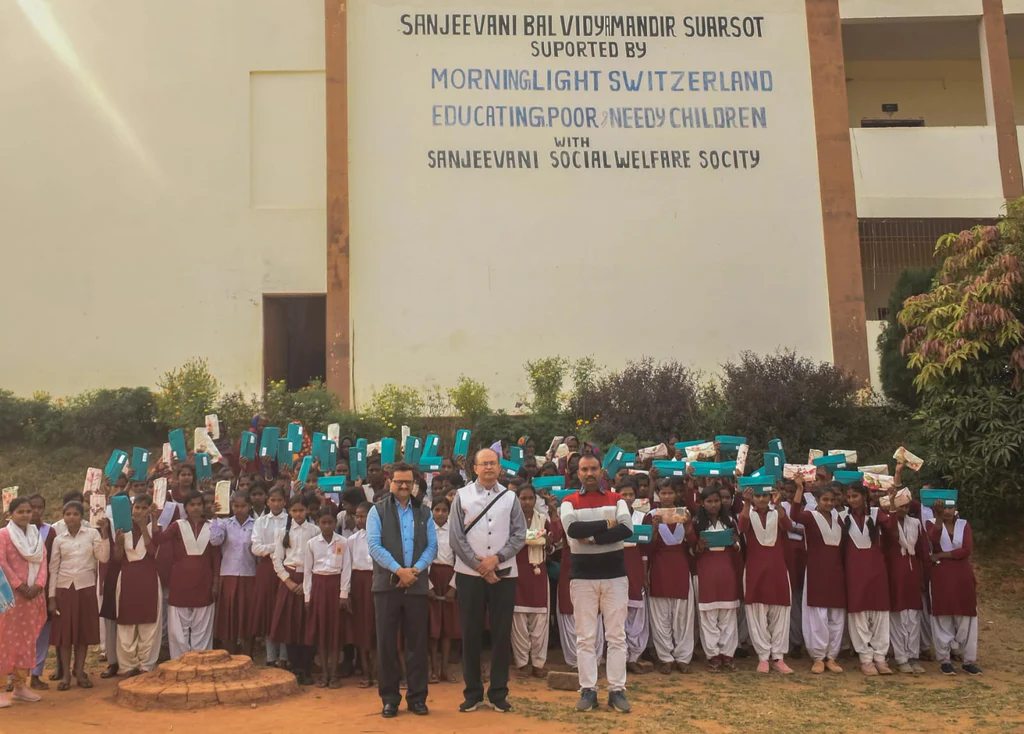
Jessica's school invited our team for a single workshop. That one session grew — across twelve fishing villages along the Kanyakumari coast, we now have an active REACH circle.
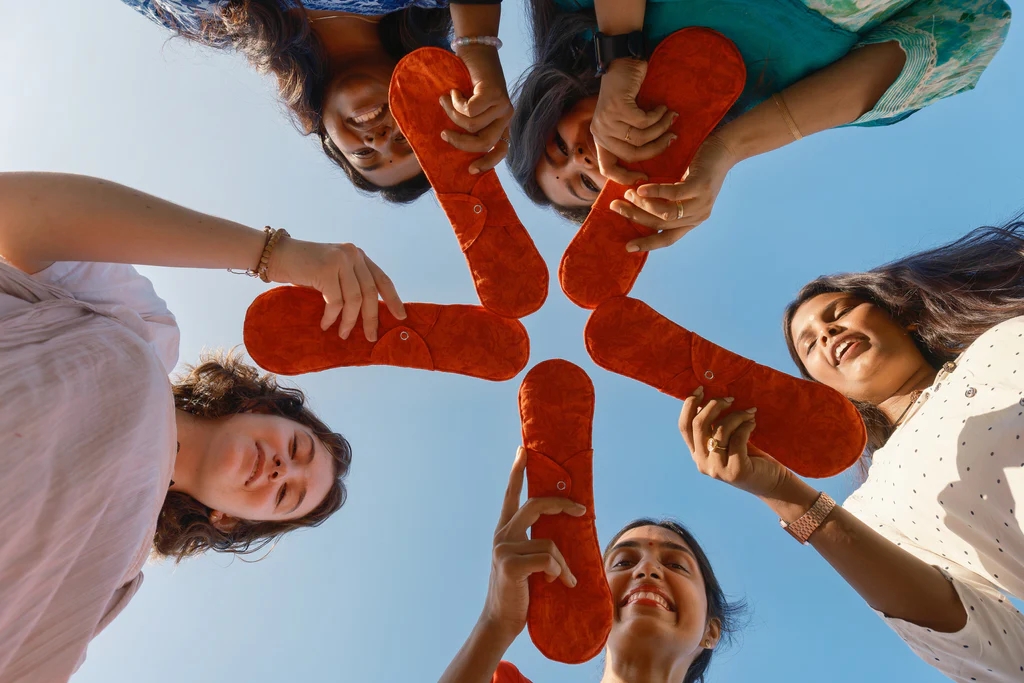
- A session for the women — practical, hands-on, with starter packs
- A separate conversation for the men of the community, because the waste is everyone's
- A small satellite production unit, now run by eight local women

The Economics
A fishing family's income is seasonal and unpredictable. A reusable pad that lasts two years eliminates one of their few non-negotiable monthly expenses. For the household of Maria, who has three daughters, that is over ₹7,000 saved each year — enough to cover a semester of school fees.
What We Learnt From the Coast
Coastal communities have taught us something that inland India had not: sustainability is not an abstract virtue here, it is visible. You see it on the shoreline every morning. When the connection between choice and consequence is that direct, behaviour change happens quickly.
Jessica now mentors three younger students in her school who want to carry the programme forward. The winds off the cape are still warm, still salty, and now they carry a little less plastic.
Be part of the next story.
Every switch to Saukhyam is a paragraph we haven't written yet.